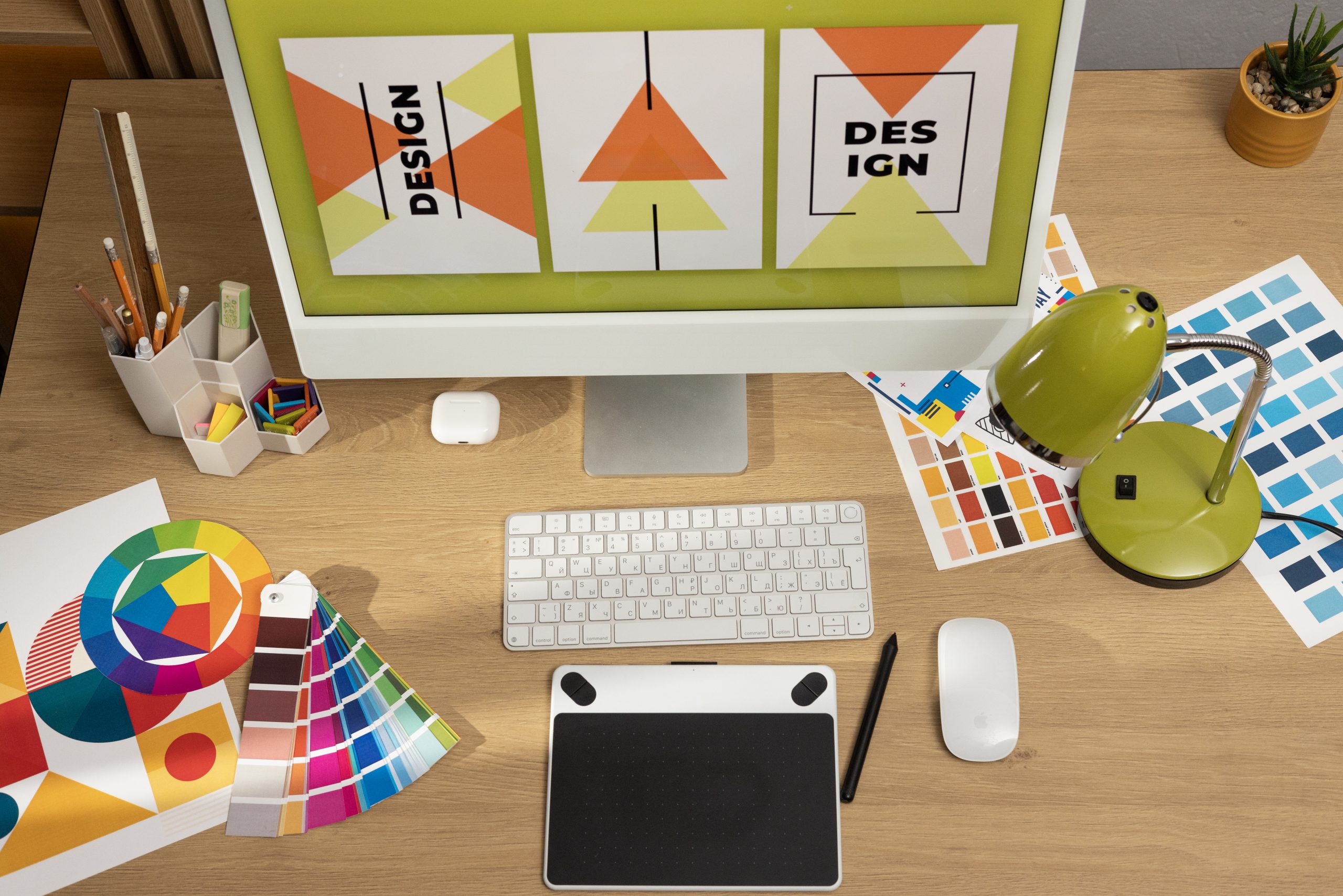
Images speak louder than words, especially in construction, where clients want to see examples of your work. Visual storytelling builds trust and differentiates your brand. Here’s how to harness design for maximum impact as per our experience in BECORE:
Why visuals matter
Professional photos and high‑quality graphics establish credibility. Presenting your projects in a beautiful and informative way shows prospects you care about quality. Visuals also break up text and make complex information easier to digest. A picture of a completed office build conveys the scale and finish of your work far better than a paragraph of description. A diagram showing the layers of a green roof helps readers understand the concept without technical jargon. Investing in professional photography and visual content is therefore not an optional extra; it’s integral to building your brand.
Tell a story through your images
Visual storytelling means using images to communicate a narrative. In construction, each project has a beginning, middle and end. Capture this journey to help potential clients envision what it’s like to work with you. Start with concept images or renderings to illustrate the design vision. Then show progress photos that highlight key milestones, foundation pouring, framing, mechanical installations. Finish with dramatic “after” shots that showcase the final result. Add captions to provide context and explain what challenges were overcome. For renovations, before-and-after photos are particularly compelling; they demonstrate your ability to transform spaces and solve problems.
Showcase people, not just buildings
Construction is fundamentally a human endeavour. Include photos of your team in action, architects sketching plans, engineers reviewing blueprints, craftsmen installing fixtures. Portraits of project managers and crew members humanize your company and help clients connect names and faces to the work. If you have strong relationships with subcontractors or suppliers, featuring them can also reinforce your collaborative approach. Including clients in your visuals (with their permission) adds authenticity and allows prospects to imagine themselves experiencing similar results.

Use video and interactive media
Modern websites go beyond static images. Features like full‑screen sliders, interactive maps and video backgrounds engage visitors and encourage them to explore. Short videos can show the scale of a job site, demonstrate construction techniques or capture client testimonials. Drone footage provides impressive aerial perspectives of large projects and can show the surrounding environment. Time-lapse videos condense months of work into a few minutes, highlighting progress in an engaging way. Interactive 3D models allow visitors to “walk through” a space before it’s built. These media assets create immersive experiences that set you apart.
Maintain consistency and branding
A cohesive color palette, typography and design language unify your site. Consistency across pages reinforces brand recognition and makes your company appear more professional. Start with a style guide that defines your brand colours, preferred fonts, logo usage rules and photographic style. For example, you might use warm earth tones to convey stability and sustainability, paired with a modern sans-serif font for a contemporary feel. Ensure that all of your visual assets, from website images to social media graphics and printed materials, follow these guidelines. Consistent branding helps clients remember you and builds trust over time.
Optimize for speed and accessibility
High‑resolution visuals shouldn’t compromise performance. Compress images and use modern formats to keep load times fast . Employ lazy loading so that images below the fold load only when the user scrolls. Ensure that videos are hosted on reliable platforms and configured not to autoplay with sound (which can be intrusive). Accessibility is also crucial. Provide alt text that describes the content and context of images; this assists users who rely on screen readers and improves SEO. Use captions for videos and provide transcripts for audio content. Avoid color combinations that are hard to distinguish for users with color blindness. Visual inclusivity broadens your audience and demonstrates professionalism.
Use visuals across channels
Visual content doesn’t live only on your website. Repurpose images and videos across your marketing channels to ensure consistency and maximize return on investment. Use project photos in proposals to make your bids stand out. Share before-and-after shots on social media platforms like Instagram and LinkedIn to showcase your capabilities. Include diagrams and renderings in client presentations to aid understanding. Infographics summarising processes (e.g., permit applications or construction timelines) can be shared as downloadable resources or posted on blogs. By spreading your visuals across channels, you reinforce your messaging and reach audiences wherever they spend their time.
Balance beauty with information
While striking visuals capture attention, they should never obscure important information. Avoid using large images that push valuable content below the fold on your website. Ensure that charts and diagrams are clear and easy to read. When using overlays or text on images, choose contrasting colours and adequate font sizes. Use captions to explain what viewers are seeing and why it matters. For example, a photo of a complex MEP installation could include a caption noting that your team completed the work ahead of schedule and under budget. Balancing aesthetics and substance ensures that your visuals support rather than distract from your message.
Collaborate with professionals
Although smartphones have powerful cameras, there is no substitute for professional expertise. Photographers and videographers understand composition, lighting and editing. They can capture your projects at times of day when the light is most flattering and produce high-resolution images suitable for print and web. Graphic designers help you turn raw visuals into polished marketing materials and ensure that everything adheres to your brand guidelines. Investing in professional support yields a return through higher-quality assets that attract and impress clients.

Avoid common visual pitfalls
There are pitfalls to avoid when creating visual content. One is relying on generic stock images. Stock photos rarely reflect the specifics of construction work and can make your brand seem impersonal. Another is poor composition, crooked horizons, cluttered backgrounds and awkward angles can distract viewers. Ensure your photos are well-composed and cleaned up; remove debris and tools that aren’t relevant to the story. Inconsistent editing is another problem. Different color balances or contrast levels across images can make your gallery look disjointed. Develop a consistent editing style or use presets to maintain harmony. Finally, don’t overload your pages with large video files or huge galleries; this can slow your site and overwhelm visitors. Select a handful of powerful images that illustrate your narrative and give users the option to view more if they choose.
The impact of visuals on conversion
Studies across various industries show that content with relevant images receives more views than text-only content. In e-commerce, high-quality product photos are crucial for sales; in construction, the “product” is your completed project. Professional imagery increases perceived value and builds trust. When prospects see detailed images of polished work, they are more likely to believe you can deliver similar quality. This increased confidence translates into higher conversion rates on contact forms and more inquiries from qualified leads. Visual storytelling doesn’t just make your site attractive, it drives measurable business results.
How BECORE elevates your visual identity
Our team at BECORE specializes in visual storytelling. We weave visuals into a responsive website that tells your story through galleries, sliders and interactive maps. Our design guidelines ensure consistent branding, while our developers optimize every image and animation for speed. We also advise on which visuals to share on social media and include in proposals, ensuring your message is consistent across channels. The result is a memorable digital experience that positions your construction firm as a leader in the field.
Visual storytelling is a powerful tool for construction companies. By documenting your projects from concept to completion, showcasing the people behind the work, using dynamic media and maintaining brand consistency, you build credibility and forge connections with clients. Remember to optimize images for speed, ensure accessibility and enlist professional help to achieve the highest quality. Incorporate visuals across your marketing channels to reinforce your brand wherever prospects encounter you. Partnering with BECORE gives you access to creative talent and technical expertise that transforms your website into a compelling showcase for your craftsmanship. Contact us to discover how a strong visual identity can help your construction business stand out and grow.