An effective website serves as the hub of your marketing efforts. It must be easy to use, optimized for search and designed to convert visitors into leads. Follow these do’s and avoid the common pitfalls to stand out from the competition.
Do: Create a smooth user experience
Great user experience (UX) means visitors can find what they need quickly and enjoyably. Use a simple menu with clearly labelled pages: services, about us, contact us for example, and keep navigation consistent across the site. A well-structured site begins with clear information architecture. Group related pages together in logical sections. Include a search function if you have a large number of articles or projects. Maintain a consistent layout with predictable navigation cues so that users don’t have to relearn how to use your site on every page.
UX isn’t just about navigation. It also encompasses load time, readability and interactivity. Aim for pages that load in under two seconds; faster sites reduce bounce rates and rank higher in search results. Choose a clean, legible font and maintain sufficient contrast between text and background. Ensure that buttons and links are easy to click on both desktop and mobile screens. Use white space strategically to separate sections and guide the eye. According to user experience studies, people often scan pages in an F-shaped pattern; align important information along the top and left side to match this behaviour.
Do: Build with SEO in mind
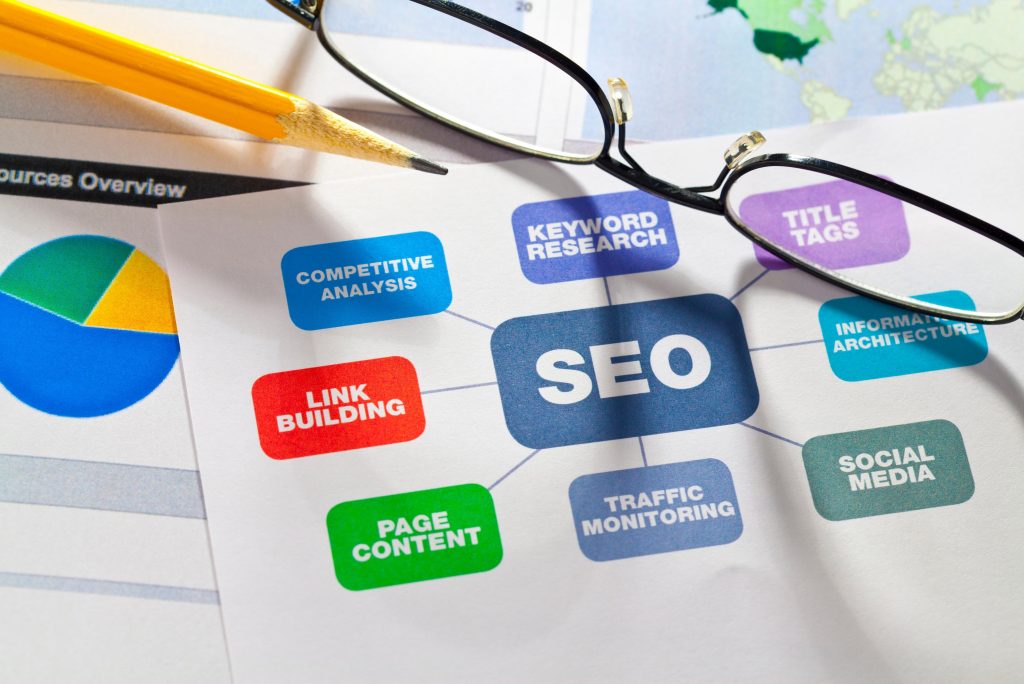
Search engine optimization isn’t an afterthought; it should guide your design from the start. Naturally incorporate relevant keywords into your content and meta tags. Write unique, descriptive titles and meta descriptions for each page; these snippets appear in search results and can influence click-through rates. Structure your content with heading tags (H1, H2, H3) to show search engines the hierarchy of information. Use alt text on images to describe what the image depicts, this helps with accessibility and provides additional context to search engines.
Local SEO is particularly important for construction companies. Include your city and region in titles, headings and the footer. Use schema markup for your business name, address, phone number and services to help search engines display rich results such as local business cards. Make sure your site is mobile-friendly; Google’s mobile-first indexing means that the mobile version is the primary basis for ranking. Finally, obtain quality backlinks by collaborating with suppliers, industry associations and satisfied clients. Links from credible sites signal trustworthiness and can improve your search position.
Do: Use clear calls to action
Each page should lead visitors toward a specific action, such as requesting a quote or signing up for a newsletter. A primary call to action (CTA) might be a button that says “Request a Free Consultation.” Secondary CTAs can encourage other desirable actions, such as “Download Our Design Guide” or “View Our Portfolio.” Place CTAs in prominent positions, such as the header, within the body of the page and at the bottom. Use contrasting colors and concise language to make them stand out. To maximise conversions, reduce friction: only ask for essential information on forms (name, email and phone number) and provide reassurance about privacy and response time. Test different button designs, wording and placements to see what works best.
Do: Invest in modern design and visuals
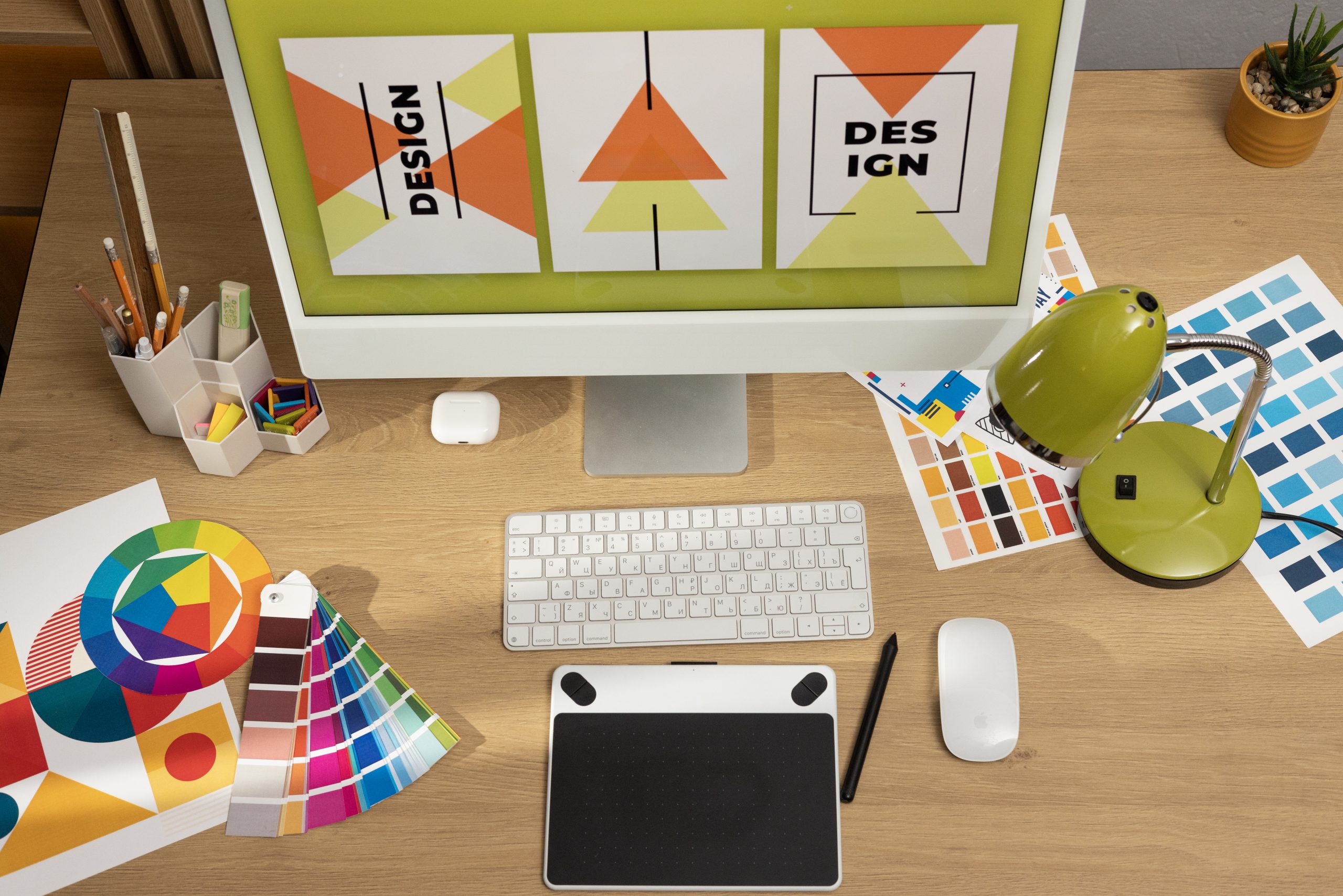
Professional images and cohesive branding help you stand apart. Work with a photographer and graphic designer to create custom visuals that reflect your brand. Use images of your actual projects rather than stock photos. Visuals help prospects imagine themselves in the spaces you create. Video tours, before-and-after sliders and interactive 3D models are increasingly popular ways to showcase craftsmanship. A polished aesthetic signals that you care about quality in every aspect of your business.
Modern design trends include clean, minimalist layouts, subtle animations (micro-interactions) and the use of gradients or textured backgrounds. Dark mode themes can create a sleek look and save battery life on mobile devices. But trends should never compromize usability; animation should be purposeful and not distract from the content. Consistent use of color and typography strengthens brand recognition. If your logo features blue and gray, use those colours throughout the site for buttons, icons and headers.
Do: Build an email list
Your website is an ideal tool for growing an audience. Offer valuable resources such as a downloadable checklist for preparing for a kitchen remodel or an e‑book on commercial building codes, in exchange for visitors’ email addresses. Place sign-up forms in your blog sidebar, the footer and within pop-ups that appear after a user has spent time on the site. Segment your list based on interests (residential vs. commercial, new build vs. renovation) to send targeted campaigns. An engaged email list allows you to nurture leads over time, share news and promotions, and drive repeat business.
Don’t: Use stock images or overload pages
Stock photography may look crisp, but it doesn’t represent your business and your competitors may use the same pictures. Avoid clipart entirely, it looks unprofessional. Instead, invest in authentic photos of your team, projects and equipment. Resist the urge to fill pages with every detail about your company. Too much information can overwhelm visitors and dilute your main messages. Keep copy concise and break up long paragraphs with subheadings and bullet points. Resist the urge to stuff pages with keywords; it makes your copy unreadable and hurts your search rankings.
Don’t: Let your site grow stale
A website isn’t a set‑it‑and‑forget‑it project. Outdated design or content can give visitors the impression you’re no longer in business. Refresh your site regularly with new projects, blog posts and design updates. Remove expired promotions and update statistics or certifications annually. Perform regular security updates and backups to protect against hacking and data loss. Avoid generic templates! dull layouts blend into the crowd. If your site looks like dozens of others, you lose the chance to make a memorable impression. Also, make sure your site remains compatible with modern browsers and devices. What looked cutting-edge five years ago may now feel clunky.
Don’t: Neglect accessibility and security
Accessibility is not only a legal requirement in many jurisdictions but also a best practice. Ensure that your site can be navigated with a keyboard, that images have alt text and that color choices meet contrast guidelines. Provide transcripts for videos and captions for audio. Security is equally important. Use HTTPS encryption, keep your CMS and plugins updated and choose strong passwords. Consider implementing a Web Application Firewall (WAF) and regular vulnerability scans. A secure, accessible site protects your users and enhances trust.
Do: Integrate analytics and tracking
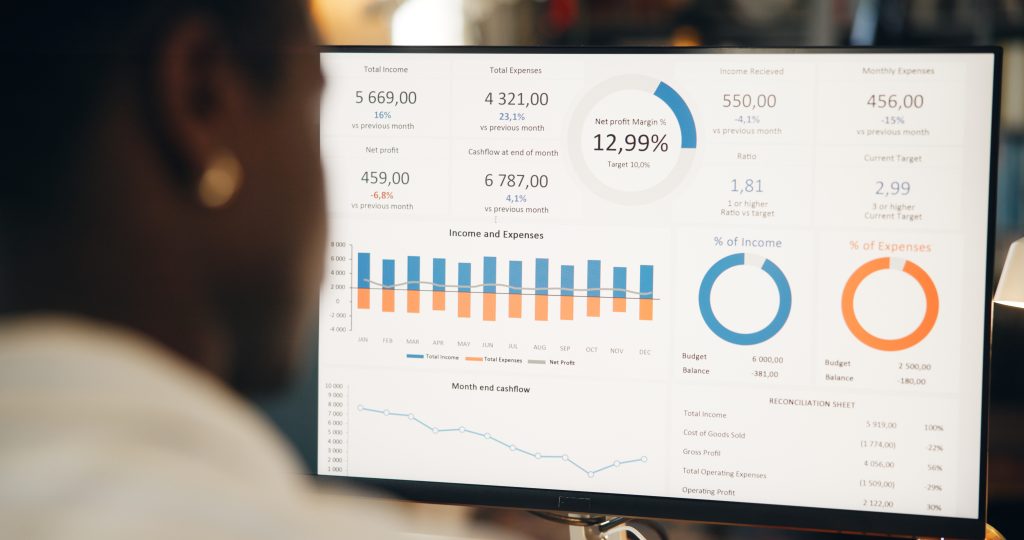
Understanding how visitors interact with your site helps you make data-driven improvements. Set up Google Analytics or another analytics platform to track page views, user flow, bounce rates and conversion rates. Use heat-mapping tools to see where users click and how far they scroll. Collect conversion data from contact forms and phone calls. This information helps you identify which pages perform well and which need improvement. For example, if users frequently leave a services page without taking action, you may need to simplify the content or reposition the CTA.
BECORE’s approach
BECORE combines thoughtful UX with robust SEO and eye‑catching design. We develop custom websites tailored to construction businesses, integrate clear calls to action and build seamless pathways from landing pages to contact forms. Our designers avoid cookie‑cutter templates in favour of unique layouts that reflect your brand identity. We conduct user testing to ensure your site meets the needs of your target audience and use analytics to refine performance over time. We also provide ongoing support and updates, so your website remains fresh, functional and optimised.
Building a winning construction website is a multifaceted effort that balances design, usability, content and technical considerations. By focusing on user experience, embedding SEO from the start, using compelling calls to action, embracing modern visuals, growing an email list and avoiding common pitfalls, you create a platform that attracts and converts visitors. Remember to keep your site secure, accessible and up to date. With BECORE as your partner, you’ll have a site that not only looks great but also works hard to drive your business forward. Reach out to us to learn how we can craft a site that reflects your craftsmanship and helps you stand out in the market.